
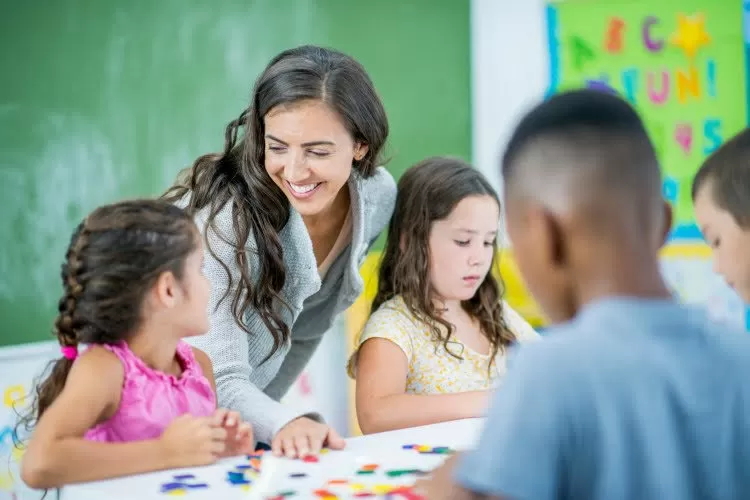

When families move between regions or countries, early education often becomes one of the first systems they encounter in a new culture. Classroom expectations, communication styles, and daily routines can vary more than many parents anticipate. Exploring options such as a kindergarten in Thailand highlights how education adapts to social values, family structures, and community rhythms rather than operating as a fixed model.
In some settings, group harmony and collective responsibility shape behaviour expectations, while others place stronger emphasis on individual expression and personal choice. Young children absorb these cues quickly, learning how to interact not only with teachers but with peers from diverse backgrounds. This early social learning influences confidence, cooperation, and emotional awareness.
Rather than viewing difference as inconsistency, many educators treat cultural variation as a learning opportunity. Children gain exposure to multiple ways of communicating, sharing space, and solving small conflicts long before formal academic instruction begins.
Daily Routines Reflect Local Priorities
Timetables reveal much about cultural values. Snack routines, outdoor play duration, rest periods, and group activities often mirror family life patterns outside school. In warmer climates, movement and hydration receive greater attention, while urban environments prioritise safety transitions and structured supervision.
Teachers adapt pacing to children’s energy levels and attention spans rather than rigid schedules. This flexibility supports wellbeing and reduces stress during long days of social engagement.
Communication Styles and Classroom Relationships
Adult–child interaction varies across cultures. Some classrooms encourage open questioning and debate, while others emphasise respectful listening and observation. Neither approach is inherently superior, but each shapes how children express curiosity and manage authority.
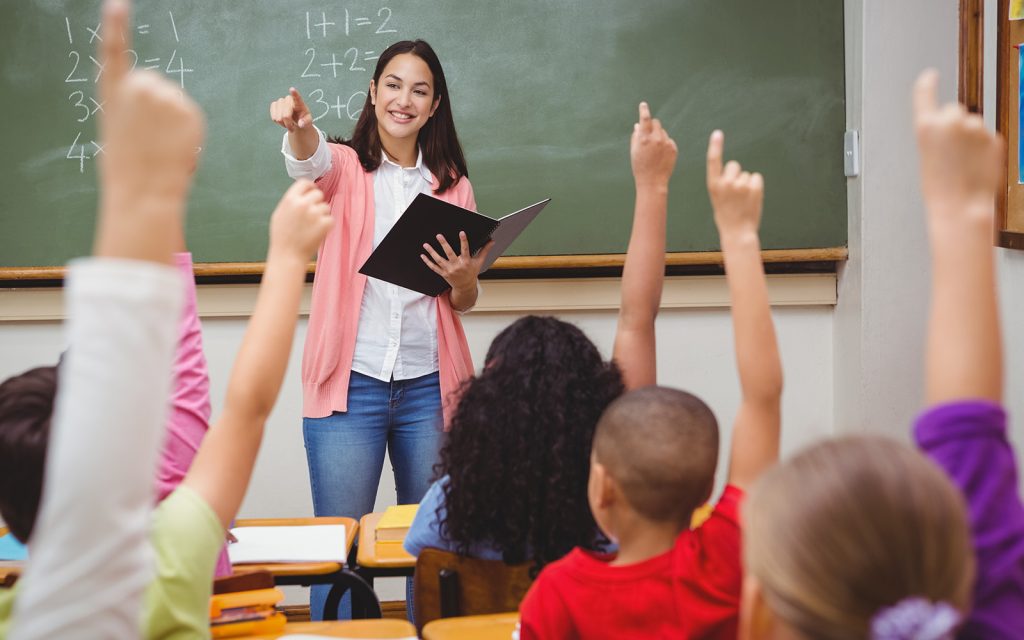
Multicultural classrooms often blend these styles, teaching children to navigate different expectations depending on context. This adaptability strengthens emotional intelligence and social confidence.
Play as Cultural Expression
Play reflects cultural narratives. Toys, stories, and imaginative themes often mirror local environments, family structures, and traditions. Children absorb cultural references organically through shared games and storytelling.
Exposure to varied play styles broadens imagination. A child who learns multiple ways to build, pretend, or cooperate develops flexible thinking rather than rigid habits.
Family Engagement Across Cultural Lines
Parental involvement expectations differ widely. Some families engage actively in classroom activities, while others support learning primarily at home. Respectful communication bridges these differences and avoids misinterpretation.
Educators who remain open to family perspectives create stronger partnerships and reduce cultural friction. Mutual trust supports consistent emotional development for children navigating multiple cultural identities.
Emotional Safety as a Universal Foundation
Despite cultural variation, emotional security remains a shared priority. Predictable routines, warm relationships, and clear boundaries provide stability across settings. Children who feel safe explore more freely and engage more confidently with peers.
Early education becomes a space where cultural understanding develops naturally rather than through formal instruction. Children learn that difference is ordinary, cooperation requires listening, and identity can be layered rather than fixed, shaping openness that carries quietly into later life.