
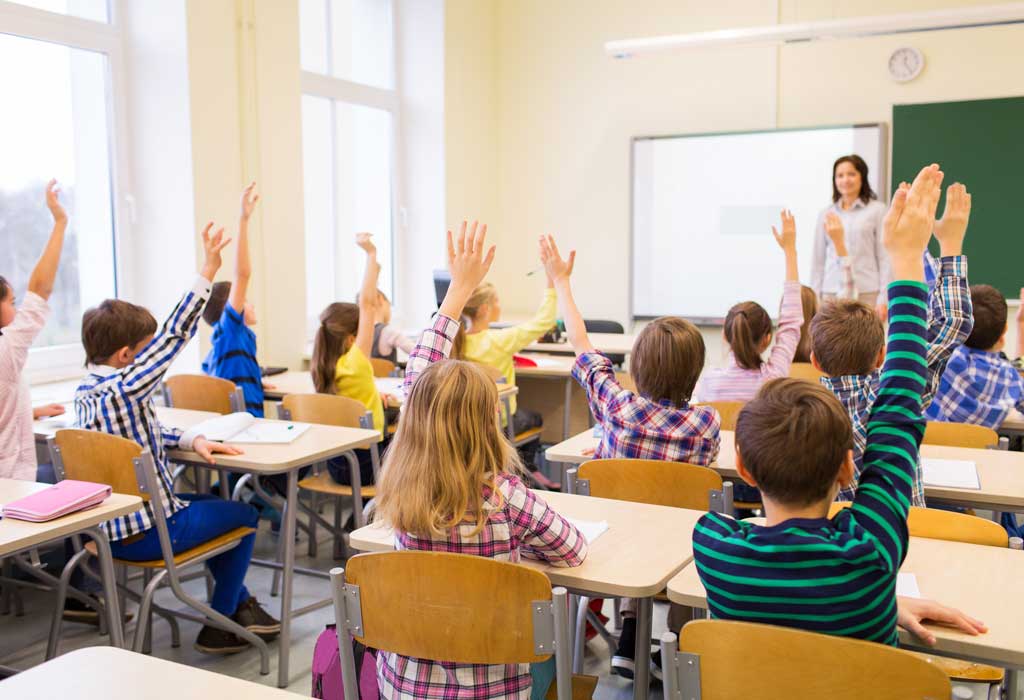

Student classes form the cornerstone of education, providing the foundation for both academic achievements and personal development. These classes encompass far more than just the transmission of knowledge; they shape critical thinking, foster creativity, and cultivate skills that are essential for success in life. The structure, content, and dynamics of a student class influence how young learners engage with the world around them, offering invaluable experiences that extend well beyond textbooks.
1. Academic Learning and Knowledge Acquisition
At the heart of student classes is academic learning, which serves as the building block for a student’s intellectual growth. Whether the subject is mathematics, science, history, or literature, each class provides essential knowledge that students need to understand the world and build upon in their future studies. Through well-crafted curricula and teaching methods, students learn not only facts but also the critical skills to analyze and apply them.
It is the quality of teaching that shapes how effectively students acquire this knowledge. For example, interactive lessons and project-based learning help students engage actively with the material, deepening their understanding and encouraging curiosity. The environment of a well-organized class fosters a mindset where learning becomes an exciting exploration rather than a mere exercise in memorization.
2. Development of Critical Thinking
Student classes play a significant role in nurturing the intellectual ability to think critically. In most subjects, students are asked to evaluate information, question assumptions, and approach problems from different angles. These activities stimulate cognitive growth, pushing students to develop a deeper understanding of complex ideas. Critical thinking in classrooms is honed through assignments that require analysis, debates that challenge perspectives, and projects that call for innovative solutions.
As students participate in discussions and research, they learn to weigh evidence, consider alternatives, and build reasoned arguments. These skills are transferable to virtually every aspect of life, from decision-making to problem-solving in professional and personal settings. By promoting intellectual curiosity and the ability to think independently, student classes lay the groundwork for lifelong learning.
3. Social and Communication Skills
An often overlooked yet crucial element of student classes is the social and communicative development that occurs. Classrooms are where students interact with their peers, learning to collaborate, negotiate, and communicate effectively. Through group activities, discussions, and presentations, students refine their ability to express their thoughts clearly and work within a team.
Being exposed to diverse viewpoints in a classroom setting fosters tolerance and empathy, as students must navigate differences in opinion, culture, and background. These interactions build essential life skills such as teamwork, conflict resolution, and leadership. The social dimension of student classes equips students with the interpersonal skills that are vital for success in future academic, professional, and personal relationships.
4. Building Confidence and Self-Esteem
Student classes provide a platform where students can showcase their abilities and talents, which in turn boosts their self-confidence. Whether it’s through academic achievements or successful completion of a group project, students gain a sense of pride and accomplishment. This positive reinforcement encourages them to challenge themselves further and take on new academic pursuits.
Moreover, when students face academic challenges, it presents opportunities for personal growth. The experience of struggling with a difficult concept and eventually mastering it fosters resilience and a sense of self-efficacy. By receiving constructive feedback and praise from teachers and peers, students learn to value their progress and acknowledge their capabilities, leading to an increased sense of self-worth.
5. Creative Expression and Innovation
While some student classes focus on core subjects such as math and science, others foster creativity and innovation, allowing students to explore new ideas and artistic expression. Subjects like the arts, music, and literature provide students with an outlet for imagination, helping them develop creativity that can be applied to all fields of study.
Even in traditionally non-creative subjects, like history or physics, classes that encourage problem-solving and alternative approaches nurture innovative thinking. Students who are encouraged to think creatively are better equipped to tackle challenges with fresh perspectives and come up with unique solutions. These experiences help students not only in academic settings but also in real-world scenarios, where innovation is increasingly in demand.
6. Time Management and Discipline
One of the most important life skills students gain through their classes is time management. Student life often involves balancing academic work, extracurricular activities, and social commitments. Through this balancing act, students learn the importance of prioritizing tasks, meeting deadlines, and staying organized.
Classes that require regular assignments and assessments teach students how to manage their time effectively, setting them up for success in their future careers. The structure of student classes reinforces discipline, as students must develop strategies to stay on top of their work and avoid procrastination. These habits will serve them well in both their academic pursuits and professional careers, where self-management is crucial.
7. Career Preparation and Practical Skills
Student classes are not only a stepping stone for academic success but also a key component in preparing students for their future careers. Many courses, particularly in high school and university, offer specialized knowledge that helps students explore potential career paths. From engineering and medicine to business and the arts, academic subjects provide students with the tools needed to pursue professional goals.
Additionally, some student classes incorporate real-world applications, such as internships, industry visits, and hands-on projects. These opportunities give students a taste of their chosen fields and allow them to gain practical experience. Exposure to professionals, industry practices, and technical skills can help students make informed decisions about their careers and develop the confidence to enter the workforce after graduation.
8. Mental Health and Emotional Development
The structure of student classes can also support the emotional well-being of students. A positive classroom environment, where students feel supported by teachers and peers, is essential for mental health. Many educators are now incorporating mental health education into their curricula, equipping students with tools to handle stress, anxiety, and emotional challenges.
Furthermore, student classes that foster a sense of community and inclusivity contribute to students’ emotional resilience. When students feel connected to their peers and safe in their learning environment, they are more likely to perform well academically and experience better mental health. This emotional foundation is essential, as it supports students in handling the pressures of both their education and their broader life experiences.