
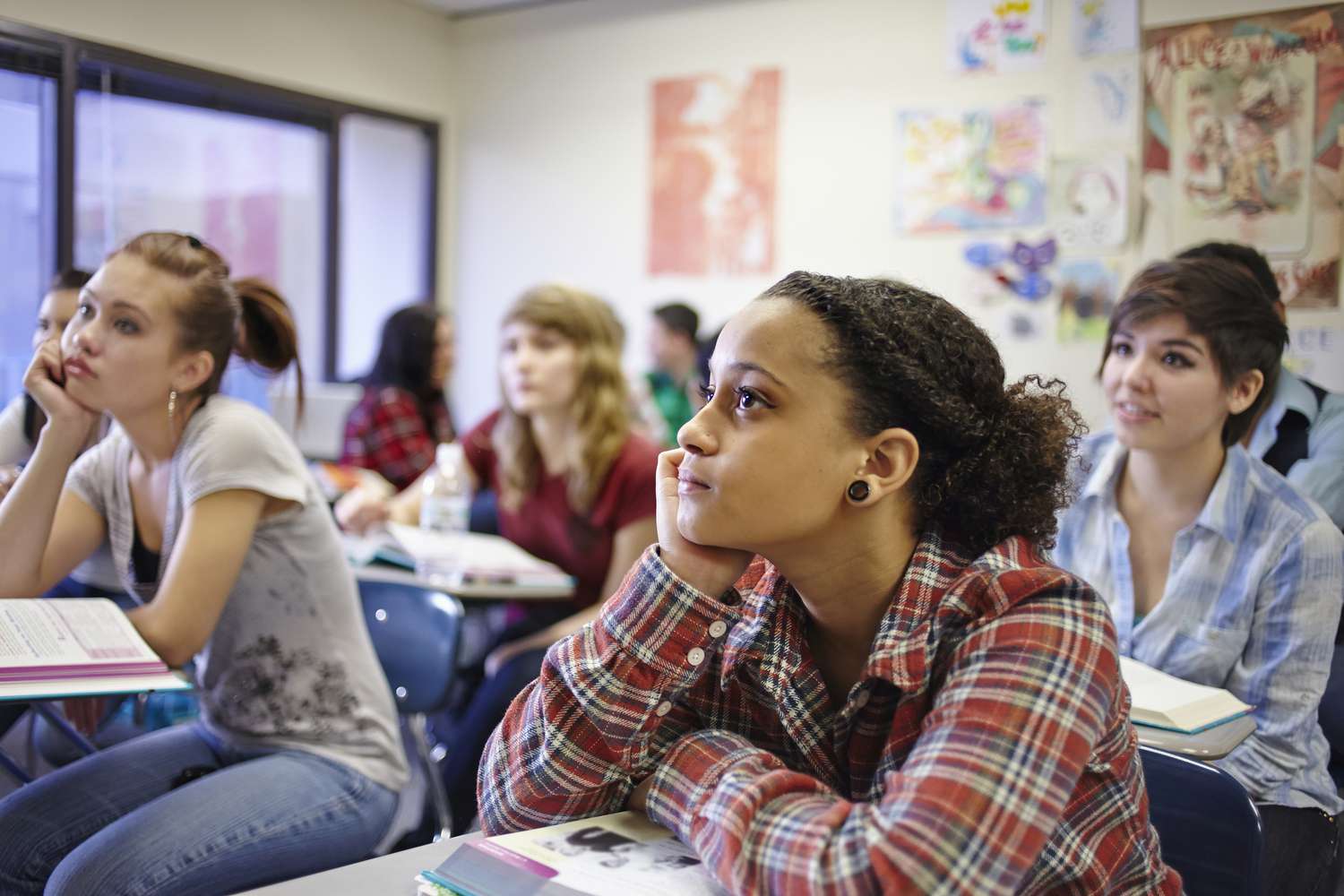

The concept of the student class represents a pivotal demographic in any society, as students are the future workforce, leaders, and innovators. The student class not only contributes to the educational landscape but also plays a key role in shaping the cultural, economic, and social fabric of the future. In this blog post, we will explore the various aspects of the student class, its significance, and the challenges it faces today.
Defining the Student Class
At its core, the student class consists of individuals engaged in the process of formal education, whether at the primary, secondary, or tertiary level. These individuals, often younger in age, focus on acquiring knowledge, skills, and competencies that will serve as the foundation for their future careers. The student class is not limited to traditional age groups; it also includes adult learners pursuing higher education or professional development. The diversity within the student class is vast, with students from various socioeconomic backgrounds, cultures, and educational systems, each bringing unique perspectives to the learning environment.
The Role of the Student Class in Society
The student class is indispensable to societal advancement. Through education, students not only gain personal knowledge but also contribute to the collective intellectual and cultural growth of a community. By participating in academic programs, students develop critical thinking skills, creativity, and problem-solving abilities that enable them to tackle global challenges. The influence of the student class extends beyond academics, as students also engage in extracurricular activities, volunteer work, and community service, all of which promote social awareness and responsibility.
The academic achievements and societal contributions of students shape the future trajectory of countries and industries. Students who excel in their studies often become the next generation of entrepreneurs, scientists, educators, and policymakers. As they navigate their educational paths, students become agents of change, influencing social norms, technological advancements, and economic development.
Challenges Faced by the Student Class
Despite the immense potential of the student class, students today face numerous challenges that can hinder their academic success and personal growth. One of the most pressing concerns is the increasing cost of education. Tuition fees, textbooks, and other academic-related expenses often place a financial burden on students and their families, leading to stress and, in some cases, limiting access to higher education for those from lower-income backgrounds.
In addition to financial concerns, the mental and emotional well-being of students has become a growing issue. The pressures of academic performance, social expectations, and personal development can lead to stress, anxiety, and other mental health struggles. Schools and universities have made efforts to address these concerns by providing counseling services and creating supportive environments, but the problem persists and requires ongoing attention.
Another challenge faced by students is the gap between education and the job market. While academic programs aim to prepare students for future careers, there is often a disconnect between what is taught in the classroom and the practical skills demanded by employers. This skills gap can make it difficult for students to transition smoothly from education to employment, especially in fast-evolving industries that require specialized knowledge and expertise.
The Impact of Technology on the Student Class
In recent years, technology has profoundly impacted the student class, transforming the way students learn, collaborate, and interact with the world. Digital platforms, online courses, and e-learning tools have made education more accessible to students around the globe. Technology allows students to engage with materials in interactive ways, enhancing their understanding of complex topics and providing opportunities for personalized learning experiences.
However, technology also presents challenges. The proliferation of digital devices and social media has introduced distractions that can affect students’ focus and productivity. The pressure to maintain a constant online presence and the lure of social media can contribute to feelings of inadequacy and comparison among students. Striking a balance between leveraging technology for academic success and managing its potential drawbacks is an ongoing challenge for both students and educational institutions.
The Future of the Student Class
Looking forward, the student class will continue to evolve, adapting to new challenges and opportunities. As the world becomes increasingly interconnected, students will have access to a wealth of resources and networks that were once unimaginable. The rise of online education, for example, has made it possible for students to earn degrees and certifications from institutions worldwide without ever leaving their homes. This accessibility has the potential to democratize education, allowing students from diverse backgrounds to pursue their academic aspirations regardless of geographic location.
The future also holds exciting possibilities in terms of innovation and collaboration. Students will be at the forefront of addressing global challenges, including climate change, technological advancement, and social equity. The emphasis on interdisciplinary learning and collaboration across borders will equip students with the skills and mindset needed to work together on complex problems. By fostering creativity, critical thinking, and global awareness, the student class will contribute to shaping a more inclusive and sustainable future.
Conclusion
The student class plays a vital role in shaping the future of society. As students continue to navigate their academic paths, they not only gain knowledge and skills but also contribute to the cultural, social, and economic advancement of the world. While challenges such as financial strain, mental health concerns, and the disconnect between education and employment persist, the student class remains a powerful force for change. With the support of educators, institutions, and society at large, students will continue to thrive and shape the future with their innovative ideas, leadership, and global perspective.